


Strong bones support you through every stage of life. They help you move, stay active, and perform everyday activities with confidence.
However, bone strength can decrease as you get older. Your lifestyle, diet, weight, medical history, and other factors can also affect your bones.
The good news is that simple daily habits can help support better bone health. From eating the right foods to staying active, every healthy choice matters.
Here are some practical ways to take care of your bones.
Eat Foods That Support Bone Health
Good nutrition plays an important role in keeping your bones strong.
Include foods that provide calcium, zinc, vitamins, and other important nutrients in your regular diet. Dairy products such as milk, cheese, and yogurt are common sources of calcium.
You can also get bone-supporting nutrients from other foods. These include leafy green vegetables, fish, eggs, nuts, seeds, and fortified food products.
A balanced diet does more than support your bones. It also provides nutrients that your muscles and the rest of your body need.
Make Exercise Part of Your Routine
Regular physical activity helps support strong bones and muscles.
Aim for around 30 to 40 minutes of exercise each day, depending on your health and fitness level. Weight-bearing activities can be especially helpful for bone health.
Walking, climbing stairs, dancing, and similar activities make your body work against gravity. Resistance exercises can also help strengthen your muscles and support your bones.
If you have an existing medical condition or have not exercised for a long time, talk to your doctor before starting a new exercise program.
Maintain a Healthy Body Weight
Your body weight can also affect your bone health.
The material shown recommends maintaining a body mass index (BMI) of around 19.1 to 24.9 kg/m² as a healthy range. However, BMI is only one way to assess body weight and health.
Being underweight may increase the risk of low bone density in some people. On the other hand, maintaining an appropriate weight can support your bones, muscles, and overall health.
Talk to your doctor if you are unsure about the right weight range for you.
Avoid Smoking
Smoking can have harmful effects on many parts of the body, including your bones.
It can contribute to weaker bones and increase the risk of fractures. Quitting smoking can therefore benefit both your bone health and your overall health.
If you smoke, ask your healthcare provider about ways to help you quit.
Limit Alcohol Intake
Drinking too much alcohol can also affect your bones.
According to the health guide, drinking more than two glasses of alcohol per day may increase the risk of fractures.
Reducing alcohol intake can support healthier bones. It can also provide other benefits for your overall health.
Know Your Personal Risk Factors
Some people have a greater risk of developing weak or fragile bones. Knowing your personal risk factors can help you take action earlier.
Risk factors may include significant height loss, a family history of bone problems, certain medicines, diabetes, menopause, and increasing age.
For example, losing several centimeters in height may sometimes signal changes in the spine. This deserves medical attention, especially in older adults.
Your doctor can review your medical history and help determine whether you need further evaluation.
Ask About a Bone Health Assessment
Healthy habits are important, but they may not tell you how strong your bones actually are.
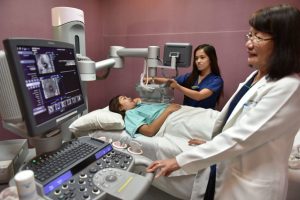
Your doctor may recommend a bone mineral density test if you have certain risk factors. This test can help assess bone strength and identify possible bone loss.
Early detection gives you and your healthcare team more time to manage your risks and protect your bones.
Start Taking Care of Your Bones Today
You do not have to wait until you experience pain or a fracture to think about bone health.
Eat a balanced and bone-friendly diet. Stay physically active. Maintain a healthy weight. Avoid smoking and limit alcohol. Most importantly, know your personal risk factors.
Small choices today can help support stronger bones as you grow older.
Take charge of your bone health. For inquiries about bone health assessment and related services, contact Perpetual Help Medical Center – Las Piñas.