


What do you need to know about warts removal?
- Causes of warts
- Different types of warts
- Diagnosis for warts
- Treatment for warts
Warts are rough bumps that form on the skin. You might find them in your face, hands, feet, and even your genitals. Warts usually go away on their own, but you might find them uncomfortable, so you can go to your doctor for treatment. They have experience in warts removal and diagnosis, so they can help you with your condition. This way, you will know if you really have warts and you can also be safely treated. Keep on reading to learn more!
Causes Of Warts
Warts are caused by the human papillomavirus (HPV). This is a viral infection that can be passed between people through skin-to-skin contact. Warts develop when HPV enters a cut in your skin. This is why children are more prone to warts, as they suffer from a lot of cuts. But other than that, people with weakened immune systems and autoimmune diseases are also more vulnerable to HPV.
Warts are noncancerous (benign) and not dangerous, but you might be uncomfortable with them. They’re also contagious and can be painful.
Symptoms For Warts
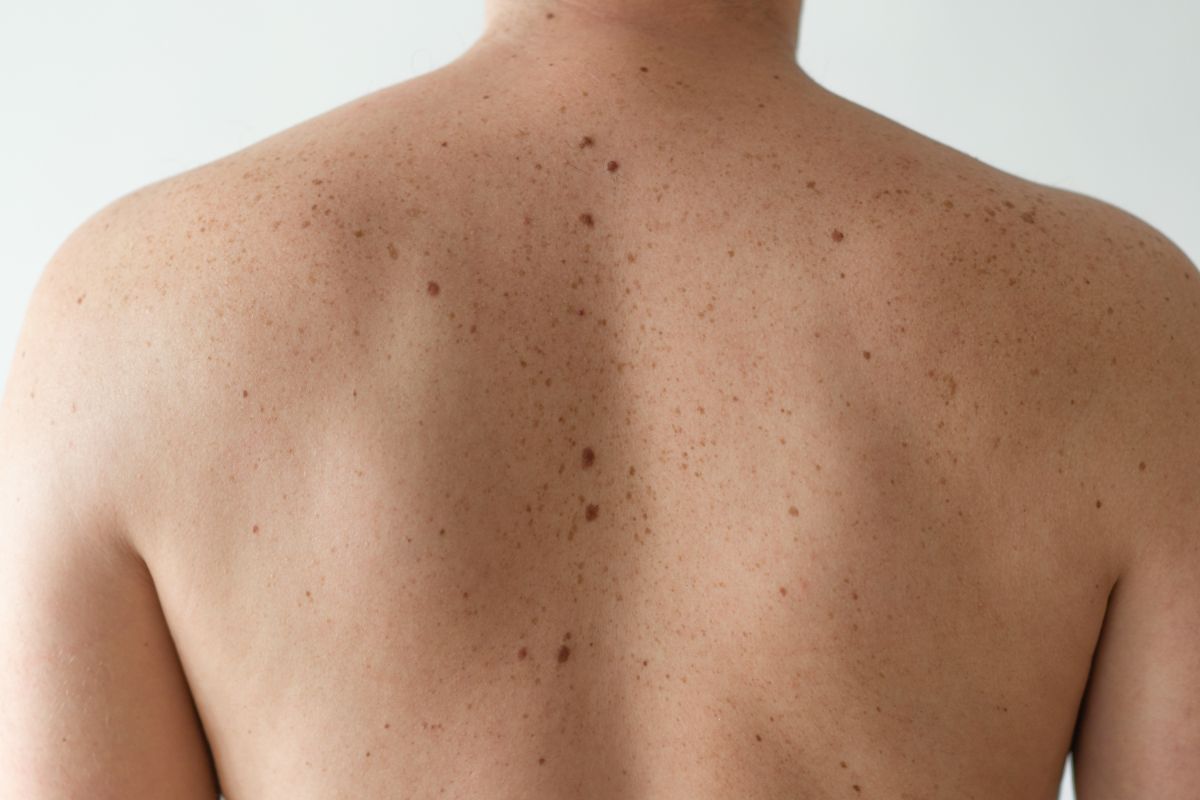
Warts come in different types, so the symptoms may differ. Below are some symptoms to look out for to know if you have a wart:
- Small raised bump on the skin
- Bump that may have a smooth or rough surface
- One bump or clusters
- Bump that can be itchy in some cases
Different Types Of Warts
To help you determine if what you have are really warts, you need to learn about the different types:
Common Warts
Common warts are typically found on the hands, fingers, knees, and elbows. The wart is often small and hard, having a rough surface. The size can vary from 1 mm to 1 cm or more. These warts typically go away on their own, too.
Plantar Warts
Plantar warts are typically found on the bottom of your foot and can get uncomfortable because you can feel them while walking. This is when you have a small hole or holes on the soles of your feet — usually surrounded by hardened skin.
Flat Warts
Flat warts are smoother and flatter than other warts. These warts usually grow on the face, arm, or thigh area. Colors vary from pink, brown, or yellowish. The good thing is that they’re not often painful.
Filiform Warts
Finger-shaped and flesh-colored, filiform warts are typically found around the mouth, eyes, and nose. You might also be able to find them on your neck too. This type of wart can spread to other parts of your body.
Periungual Warts
Growing under and around the nails, periungual warts can be painful. These have a cauliflower-like appearance and are rough.
Diagnosis For Warts
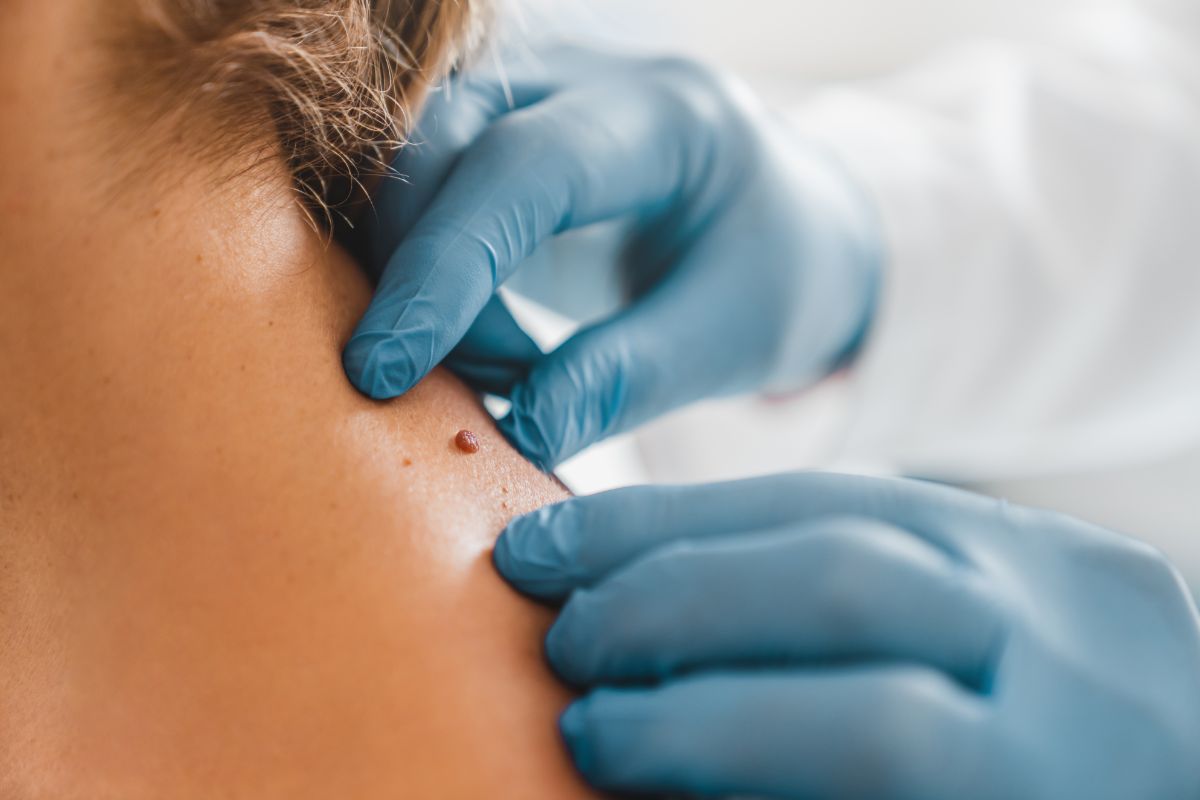
By understanding the different types of warts, you will have an idea whether your skin condition is really warts or not. But to get an accurate diagnosis, it’s always best to go to a doctor. This is important, especially if you have them in a sensitive part of your body , and you notice signs of bleeding and discoloration. If you have diabetes or immunodeficiency, immediately go to a doctor.
Treatment For Warts

There are a variety of treatment options for warts. Your doctor can tell you more about the best choice for your type of warts.
Topical Treatment
This involves the usage of topical agents, such as salicylic acid and lactic acid. It may take months before the warts are completely removed through this method. Other than these, your doctor may also apply the chemical cantharidin. In this method, a blister will form under the wart and cut off its blood supply.
Cryotherapy
Warts will be frozen with liquid nitrogen to slowly get rid of them. The treatment can take multiple sessions to be effective.
Curettage
A surgical option for those with warts, this method involves removing them by curettage. There may be scarring afterward.
Laser Therapy
Laser can burn off warts, but there might also be scarring afterward.
Immune system stimulator
If you have warts, an immune system stimulator can help your immune system fight the infection. This method can be used for genital warts.
Key Takeaway
Warts removal can be done in a variety of ways, but it’s important to have them diagnosed first, so you can get the right treatment. A doctor can help you safely and effectively diagnose and treat your warts, especially if it’s obstructing your daily routine and won’t go away on their own.
If you’re interested in getting your warts removed, you can contact us here at PHMC. Warts removal is one of our lifestyle and wellness services at our Aesthetics Center. Other than warts removal, we also offer other cosmetic services including underarm whitening, ultra lipo, resolift, mesotherapy, laser hair removal, and more.